
“The math doesn’t work anymore.”
A gallon of milk, a dozen eggs, and a bag of apples can eat through half a week’s SNAP benefits. In grocery aisles across Kentucky, families are learning how to stretch what was never meant to stretch this far. Prices have stabilized on paper, but not in the checkout line, and what once filled a cart now fills only a basket.
SNAP — the Supplemental Nutrition Assistance Program — was designed as a lifeline, not a luxury. Yet as federal negotiations stall and food costs remain stubbornly high, that lifeline is fraying. Nearly 600,000 Kentuckians — about 13% of the state’s population — rely on SNAP to eat. Many are working parents, seniors, and people with disabilities whose monthly benefits already fall short of what a healthy diet costs. When Congress plays brinkmanship with the budget, it’s not abstract. It’s dinner.
A Quiet Crisis in the Grocery Aisle
You don’t see protests about SNAP cuts. Hunger doesn’t make headlines until someone dies or riots. It’s a slow-moving crisis, quieter than eviction or foreclosure, but just as devastating. When the funding clock runs out, families do what they’ve always done — borrow, skip meals, cut corners, buy cheap calories instead of nutritious food.
And while SNAP is technically a federal program, the fallout lands close to home. Rural grocers depend on SNAP dollars to stay afloat. School lunch programs stretch tighter when more kids come to school hungry. Food pantries already running on thin budgets brace for surges in demand they can’t meet.
Kentucky’s food insecurity rate is 14.8%, one of the ten highest in the nation. In some Appalachian counties — like Clay, Wolfe, and Owsley — that number climbs above 23%. Behind every percentage point are parents skipping meals so their children can eat, seniors choosing between groceries and prescriptions, and disabled workers rationing canned soup until the first of the month.
The Arithmetic of Hunger
The average SNAP benefit in Kentucky is $173 per person per month, or roughly $5.70 a day. The USDA’s “Thrifty Food Plan,” which sets that amount, assumes families have access to multiple grocery stores, reliable transportation, and time to cook from scratch — assumptions that collapse under real-life conditions in much of the Commonwealth.
Meanwhile, food prices in Kentucky have risen more than 20% since 2020. Eggs, milk, and fresh produce — the staples of a healthy diet — have seen the sharpest increases. Even those who know how to budget and batch-cook find themselves cornered by inflation, housing costs, and stagnant wages.
SNAP was never meant to cover an entire family’s grocery bill, but for many Kentuckians, it’s all they have. And when the program becomes a political bargaining chip, those families become collateral damage in a fight they didn’t start and can’t afford to lose.
The Politics of Punishment
The debate around SNAP isn’t just about money. It’s about blame. For decades, conservative lawmakers have portrayed recipients as undeserving — lazy, fraudulent, or dependent. Each round of negotiations brings new attempts to impose work requirements, drug testing, or administrative hurdles.
But here’s the truth: over half of SNAP households with an able-bodied adult already include someone who works. Many of those jobs — in retail, education, or health care — don’t pay enough to live on. SNAP doesn’t discourage work; it subsidizes the low wages our economy too often normalizes.
“Cutting benefits doesn’t promote personal responsibility.
It just shifts hunger from spreadsheets to dinner tables.”
The Kentucky Picture
Kentucky sits at the crossroads of rural poverty, aging demographics, and fragile public infrastructure. The state ranks among the ten poorest in the nation, with a median household income of $59,341, compared to a national average of $74,580.
When SNAP funding falters, local economies feel it immediately. According to the USDA Economic Research Service, every dollar in SNAP benefits generates about $1.50 in local economic activity. In small towns with a single grocery store, that can be the difference between staying open and shutting down.
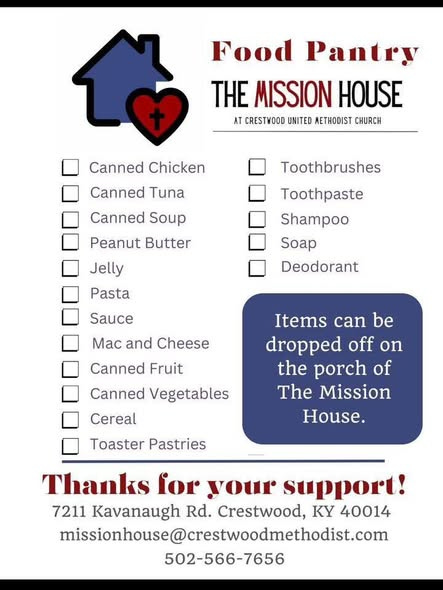
Community groups step in where they can. Churches, civic clubs, and food pantries stretch donations, but they can’t replace the scale of a federal safety net. They weren’t built to absorb systemic failure.
The Real Cost of “Balancing the Budget”
In Washington, fiscal hawks talk about “trimming fat.” In Kentucky, those cuts mean children going to bed hungry. The rhetoric of austerity always sounds tidy until you translate it into lived experience — fewer school breakfasts, emptier shelves at food pantries, more pressure on already overworked volunteers and teachers.
Balancing the budget by cutting SNAP is like saving money by skipping your own heart medication. It may look prudent on paper, but the long-term cost — in health, productivity, and human dignity — is far greater.
When people are hungry, they disengage. They don’t have time to attend meetings, volunteer, or vote. They’re focused on survival. And that disengagement — that quiet despair — is precisely what authoritarians depend on.
Hunger and Democracy
Hunger is a political condition. It thrives where representation fails. It spreads in silence, in communities where people believe no one in power is listening. When food insecurity rises, civic trust falls. People stop believing that their voices matter, because their needs clearly don’t.
The right understands this, even if it won’t say it aloud. Keeping people desperate keeps them compliant. When you’re busy trying to feed your kids, you’re less likely to organize against injustice or demand accountability from those who caused it.
“Feeding people is democratic defense.”
That’s why defending programs like SNAP isn’t just social policy — it’s moral infrastructure. Feeding people is how a nation affirms its belief in shared worth and equal dignity. When that commitment collapses, so does the foundation of a functioning republic.
What Kentuckians Are Doing

Kentuckians have always been resourceful in hard times. Local organizations like God’s Pantry Food Bank, Dare to Care, and Feeding America Kentucky’s Heartland are working around the clock to fill the gaps. County extension offices are teaching low-cost nutrition programs. Volunteers across the Commonwealth are running mobile food drives, community gardens, and backpack programs to keep kids fed over weekends.
But even the most dedicated efforts can’t fix a policy failure. Charity can’t replace justice. The SNAP crisis isn’t a logistical problem — it’s a moral one. And it requires the political courage to treat hunger as unacceptable, not inevitable.
The Stories We Don’t Hear
What we don’t see in the news are the quiet acts of resilience: a mother who skips lunch to stretch dinner for her children, a retiree who takes pride in making a week’s worth of meals from a single rotisserie chicken, a neighbor who shares their food pantry haul with someone worse off.
These aren’t anecdotes of helplessness — they’re stories of survival in a system that should have their back but doesn’t. They remind us that Kentucky’s greatest strength isn’t found in government or corporations, but in the small, stubborn kindness of ordinary people who refuse to let their neighbors starve.
What Comes Next
This isn’t the first time Kentucky has faced a food crisis, and it won’t be the last. But we can choose how we respond. We can let hunger deepen the divides between “deserving” and “undeserving,” or we can treat it as a collective failure demanding collective repair.
That starts with rejecting the false choice between fiscal responsibility and human decency. It means calling out lawmakers who use food assistance as a pawn in budget negotiations. It means insisting that dignity isn’t a privilege — it’s a right.
Communities can pressure local representatives, support hunger-relief organizations, and vote with this issue in mind. But above all, we must tell the truth: hunger is not a sign of scarcity; it’s a symptom of indifference. And indifference, left unchecked, erodes the very fabric of democracy.
Closing Reflection
Hunger may be invisible in the daily noise of politics, but it is the truest test of who we are as a people.
The question facing Kentucky — and the nation — is simple: do we still believe that everyone deserves enough to eat?
Because when a nation lets its lifeline fray, it’s not only the hungry who suffer.
It’s all of us.
Great article, Kelly. Every human being deserves dignity. It's up to the people to remind the politicians in Frankfort and D.C. of that.