
When an Administrative Memo Rewrites the Threshold of the Home
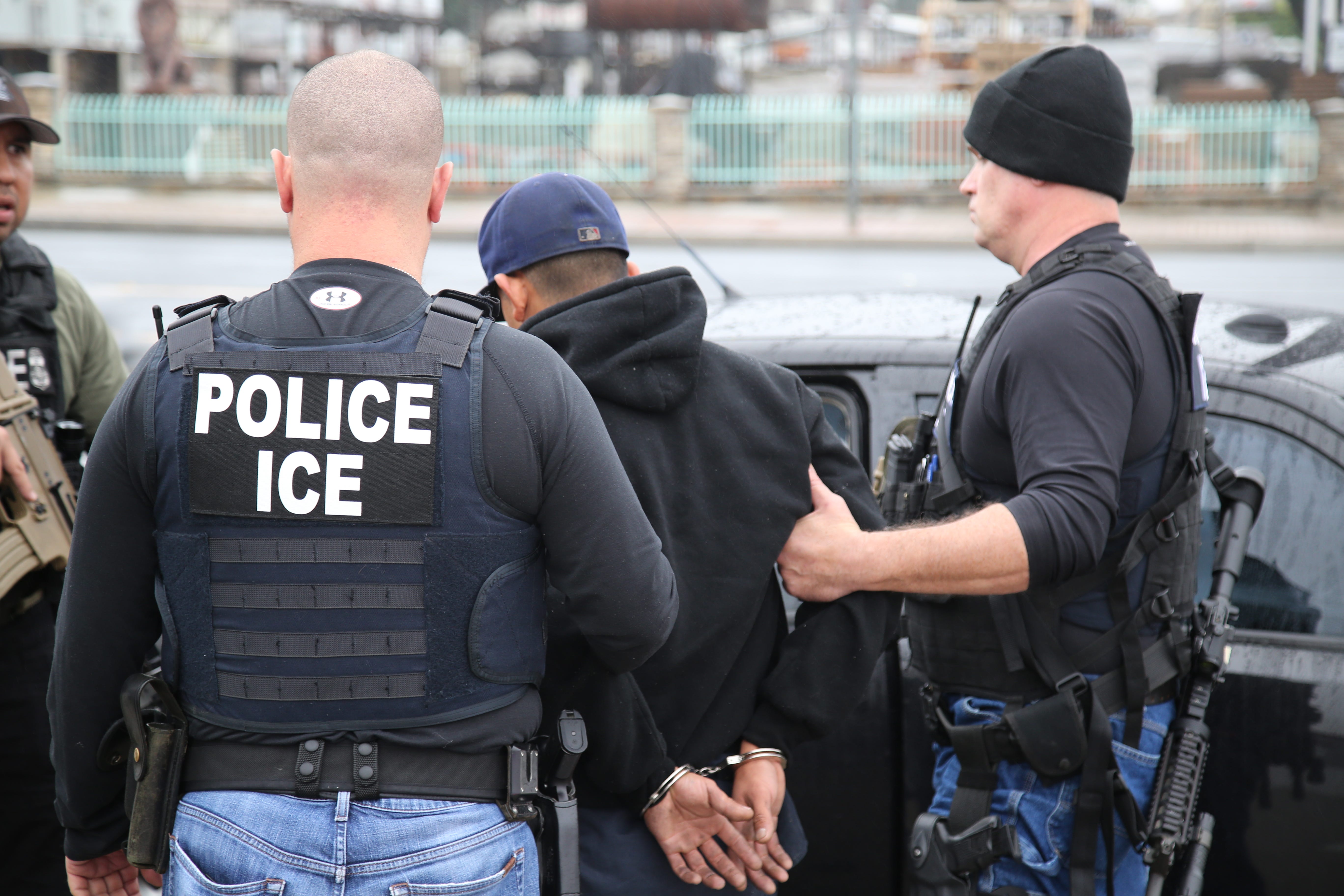
In mid-January 2026, reporting revealed the existence of an internal memorandum circulating within U.S. Immigration and Customs Enforcement asserting that immigration officers may forcibly enter a private residence to make an arrest without a judge-signed warrant, relying instead on an administrative warrant issued within the agency. The memo, attributed to ICE leadership and shared with select officials, advances a claim that directly affects how constitutional protections are applied at the point of enforcement. Under this guidance, the home is treated as a location where agency-issued authority may be sufficient to justify entry.
The shift centers on the treatment of administrative warrants, including ICE’s Form I-205. These documents are signed by immigration officials and historically have authorized arrest rather than nonconsensual entry into a residence. The memo asserts that when officers are executing a final order of removal, they may enter a home even if entry is refused, provided they knock and announce their presence. The memo contemplates the use of force described as necessary and reasonable to complete the arrest. This interpretation diverges from long-standing Fourth Amendment doctrine, which has required a judge-signed warrant or a recognized exception for entry into a private home.
This guidance has already moved into enforcement activity. Reporting indicates that officers have conducted at least one forced home entry in recent weeks while relying on an administrative warrant, signaling that the memo is being treated as operational authority rather than internal theory. Courts have not yet ruled on the legality of this interpretation. In the meantime, the enforcement landscape changes immediately. Officers act on asserted authority, and affected communities respond to the risk as it is presented.
In Kentucky, the implications are immediate for immigrant families and the institutions that serve them. For years, legal guidance shared by advocates and community organizations has reflected settled constitutional standards regarding entry into the home. The memo introduces uncertainty into that guidance and reshapes how families assess safety and exposure. Daily decisions about seeking services, reporting crimes, or engaging with schools are affected by the perception that entry into the home may occur without judicial oversight.
Local institutions are placed in a difficult position. School administrators, nonprofit staff, faith leaders, and local officials will be asked to provide clarity to families facing real-time encounters with federal enforcement. The memo offers no operational guidance for these institutions, leaving them to navigate overlapping legal obligations, community trust, and enforcement realities without clear federal direction.
This development follows a pattern that has appeared repeatedly in immigration enforcement. Internal guidance expands discretionary authority. Enforcement practices adjust accordingly. Legal challenges follow on a longer timeline. During that interval, the effects on families and communities are experienced in full. Even when courts later intervene, the social and institutional consequences persist.
The broader significance extends beyond immigration enforcement. The Fourth Amendment’s protection of the home functions as a structural limit on government power. Administrative assertions that redefine how and when that protection applies carry implications for how constitutional boundaries are understood and enforced. When agency-issued documents are treated as sufficient authorization for home entry, the balance between executive discretion and judicial oversight is altered in practice.
For Kentucky residents, the immediate concern is how this asserted authority will be exercised before courts provide clarity. The longer-term concern is how enforcement norms evolve when constitutional interpretation is driven by internal memoranda rather than judicial review. Changes to enforcement posture, once absorbed into routine practice, shape expectations and behavior long after the originating document fades from view.
Sources and Further Reading
• Associated Press, “Immigration officers assert sweeping power to enter homes without a judge’s warrant, memo says” (January 21, 2026)
https://apnews.com/article/00d0ab0338e82341fd91b160758aeb2d
• U.S. Senate Homeland Security and Governmental Affairs Committee, Letter and attached ICE memo materials (January 2026)
https://www.hsgac.senate.gov/wp-content/uploads/2026-01-21-Letter-from-Blumenthal-to-DHS-ICE.pdf
• ABC News, “ICE memo allows agents to enter homes without judicial warrant, sources say” (January 2026)
https://abcnews.go.com/US/ice-memo-allows-agents-enter-homes-judicial-warrant/story?id=129436766
• Newsweek, “ICE Allowed to Enter Homes Without Warrant: Read the Full Memo” (January 22, 2026)
https://www.newsweek.com/ice-allowed-enter-homes-without-warrant-read-full-memo-11398706
This is heartbreaking and terrifying. And we must continue finding ways to resist.