
I am a 67-year-old woman, and I am tired in ways that have nothing to do with the news cycle.
I continue to work, show up, and give what I have to the work of resisting authoritarianism and defending democratic norms. At the same time, I no longer assume that my energy is unlimited or pretend that it is. Age brings clarity about limits and removes certain illusions.
Part II of this series argued that repairing the damage done to American democracy will take twenty to thirty years. Writing that argument was one thing. Living with its implications is another.
A recovery timeline of that length means I will not see my country fully recover from this damage in my lifetime. I will not experience a period when democratic norms feel stable again, when institutions have regained their strength, or when truth is no longer treated as partisan terrain.
Recognizing this has brought a kind of grief I didn’t anticipate.
It’s the grief that comes from understanding that the work I’m doing is directed toward a future I will not personally inhabit, but one I hope to help make possible for others.
That recognition has reshaped how I think about urgency, success, and my role in the work of defending democracy.
If victory is not guaranteed within my lifetime, then the relevant question is no longer whether I will see this through.
The question becomes something more basic and more unsettling:
How do you decide what matters when the work is for people you will never meet?

The grief we are not taught to name
American political culture is saturated with the language of resolution. We are taught to expect arcs. Movements rise, battles are fought, and victories are declared. Meaning is often tied to outcomes that can be completed and named.
There is little preparation for the experience of living mid-story.
There is grief in understanding that the damage outlined in Parts I and II of this series will not be undone quickly. There is grief in knowing that democratic recovery, if it comes, will unfold over decades. There is grief in recognizing that many people doing this work now will not be present at its conclusion.
This grief often appears as fatigue that rest does not resolve, impatience with shallow reassurance, or quiet withdrawal from narratives that promise easy closure.
Naming this grief matters because unacknowledged grief frequently turns into cynicism or burnout. Neither supports the work ahead.
I’m not interested in dramatizing this moment. I’m interested in describing it honestly.
We are living in the long middle of this story.
The myth of seeing it through
One of the most persistent assumptions in American civic life is that meaning requires completion. Contribution is often understood as being validated by witnessing an outcome. History is imagined as rewarding those who arrive at the end of the arc.
This assumption is emotionally compelling and historically inaccurate.
Many of the people whose actions matter most in long democratic struggles do not see the results of what they begin. They build institutions they will not govern. They defend norms they will not fully enjoy. They maintain lines whose significance becomes clear only later.
History is sustained by continuity. It depends on people who remain engaged without expecting closure.
When meaning is tied to completion, continuity is undervalued. Stewardship is treated as secondary rather than essential. Work undertaken without the promise of resolution is quietly diminished.
That framing doesn’t hold.
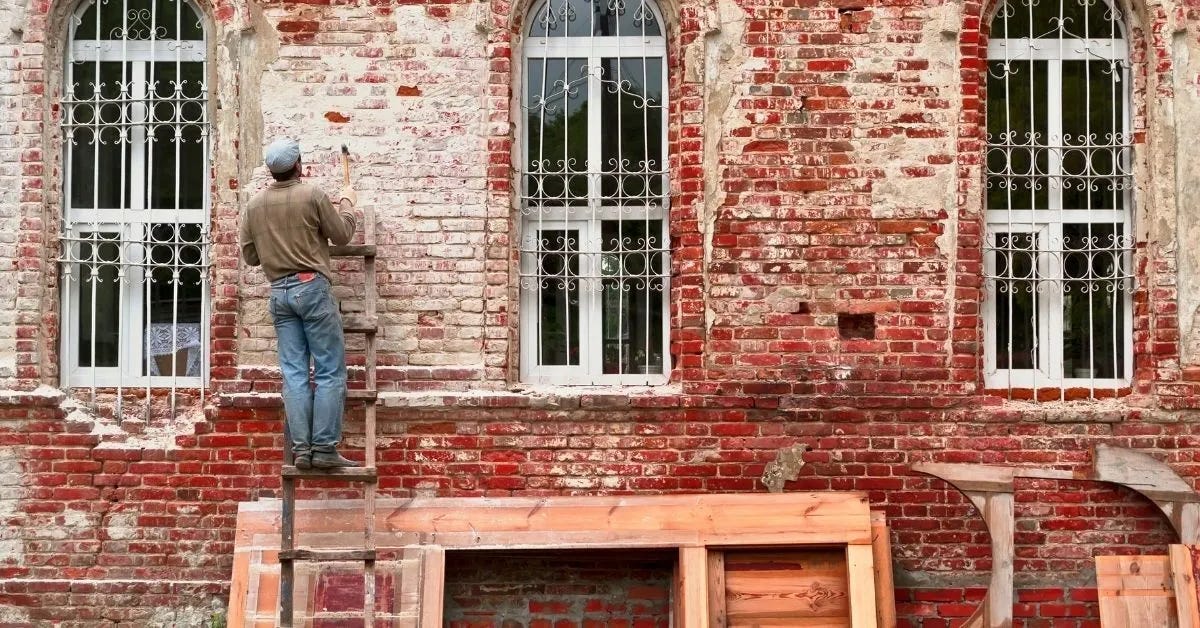
During periods of democratic repair, success is measured through preservation and transmission. Norms must be maintained long enough to be rebuilt. Truth must be defended long enough to be relearned. Institutions must survive long enough to recover their capacity.
I’m working toward continuity that I believe matters.
Refusing roles that exhaust the work
As the expectation of completion loosens, other distortions become easier to identify.
Not every role offered during periods of crisis is necessary. Some undermine durability.
Constant urgency places every moment in a state of decision and treats each development as a breaking point. Over time, this approach drains energy while encouraging reactivity over effectiveness.
Performative outrage creates the appearance of engagement without producing lasting change. It prioritizes visibility, cycles attention rapidly, and rarely deepens understanding.
Savior narratives center individual heroism and obscure institutional responsibility. They tend to collapse under pressure and leave disillusionment behind.
I reject these roles because the work requires steadiness rather than spectacle.
This work depends on sustained pressure and long-term care for democratic systems.
The roles history needs
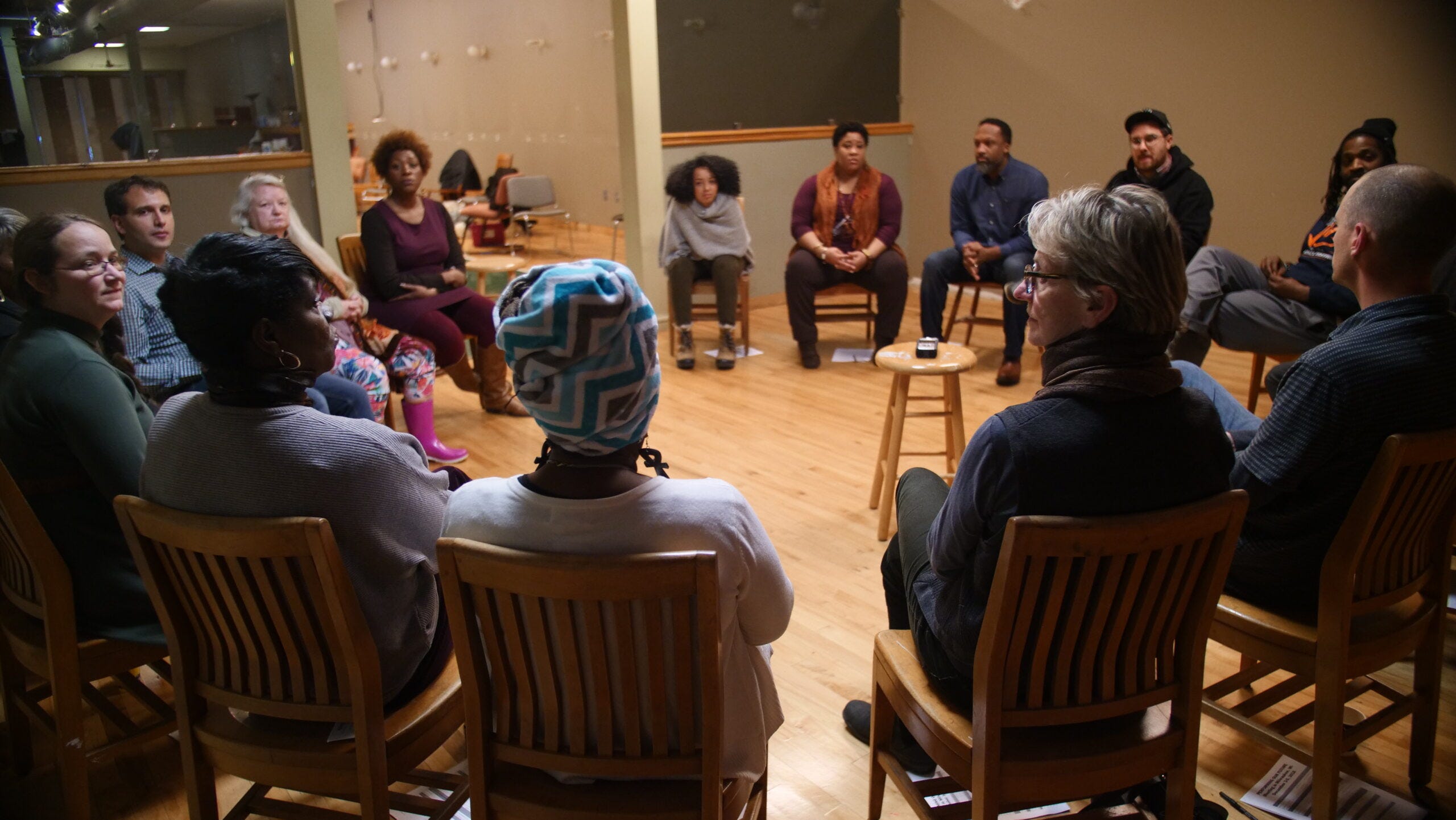
Long recoveries depend on durability.
History shows that certain roles matter consistently during periods of democratic strain. They‘re not prominent, often unseen, and essential.
Translators
They make complex developments understandable. They connect national decisions to local effects and help people recognize how abstract policies shape daily life.
Watchers
They maintain attention over time. They track patterns, notice normalization, and retain memory when novelty fades.
Record-keepers
They preserve evidence of decisions, rhetoric, and consequences. They create the record that accountability later depends on.
Community anchors
They sustain local relationships and democratic habits in ordinary settings such as libraries, schools, churches, and mutual aid networks. This work is slow and difficult to scale, which contributes to its durability.
These roles do not offer recognition. They create the conditions that recovery requires.
Why Kentucky matters
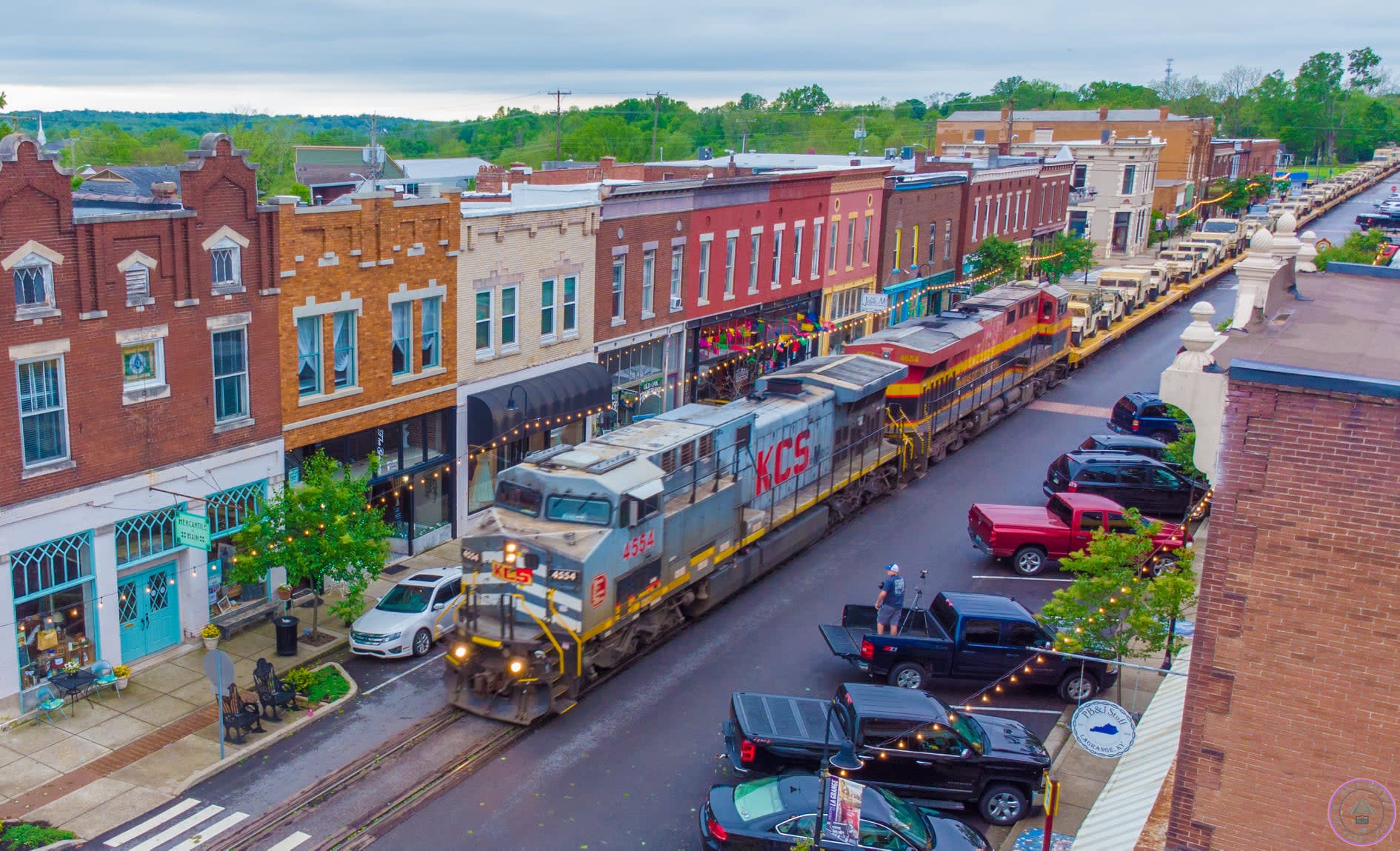
I live and work in Kentucky, and that shapes how I understand this moment.
Authoritarian movements rarely advance first at the center. They develop through states and counties, school boards and libraries, local courts and administrative rules. They take hold where scrutiny is lighter and consequences feel distant.
Kentucky functions as a proving ground.
Here, damage appears through normalization. It arrives as policy changes framed as efficiency, rhetoric justified as tradition, and local decisions that draw little national attention but reshape civic life.
This is why persistent local work matters. Democracy erodes through routine accommodation as much as through dramatic rupture.
Writing Dispatches from Kentucky is an effort to document what is happening locally and prevent that normalization from passing unnoticed. It is a way of maintaining attention and preserving reality.
Holding the line
This series has made three arguments, and they are meant to be taken together.
Authoritarian damage accumulates over time.
Democratic recovery takes twenty to thirty years.
That recovery depends on whether democratic norms, institutions, and habits survive long enough to be rebuilt.
Fascism does not end cleanly or all at once. Its effects linger in institutional behavior, civic expectations, and cultural memory. Recovery unfolds unevenly, measured not in moments of resolution but in decades of reinforcement.
Understanding the length of this timeline changes how responsibility should be understood.
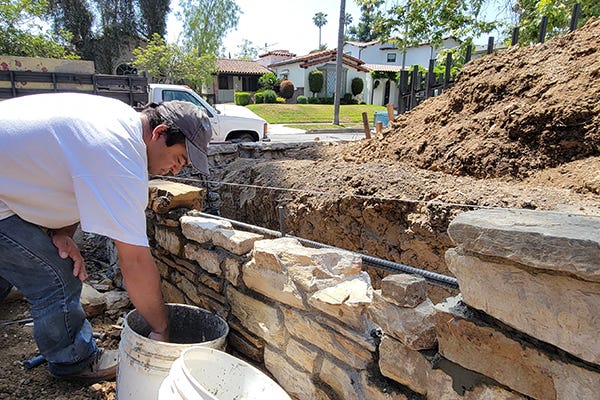
If recovery will take a generation, then the task of those alive now is not to complete it. It is to prevent further erosion, preserve what still functions, and pass forward what remains intact. The work is cumulative. Each year of steadiness matters because it shortens the distance future generations will have to travel.
My role is not to see the end of this process. It is to help hold the conditions that make recovery possible. That means paying attention, maintaining records, sustaining institutions where I can, and refusing to normalize what should not be normal.
This is not a lesser form of contribution. It is the form the timeline requires.
There is meaning in that responsibility.
It is enough.
It is necessary.
If recovery will take a generation, then the question now belongs to you: what will you choose to hold steady long enough to be rebuilt?
You are a warrior, Kelly. This hit hard.