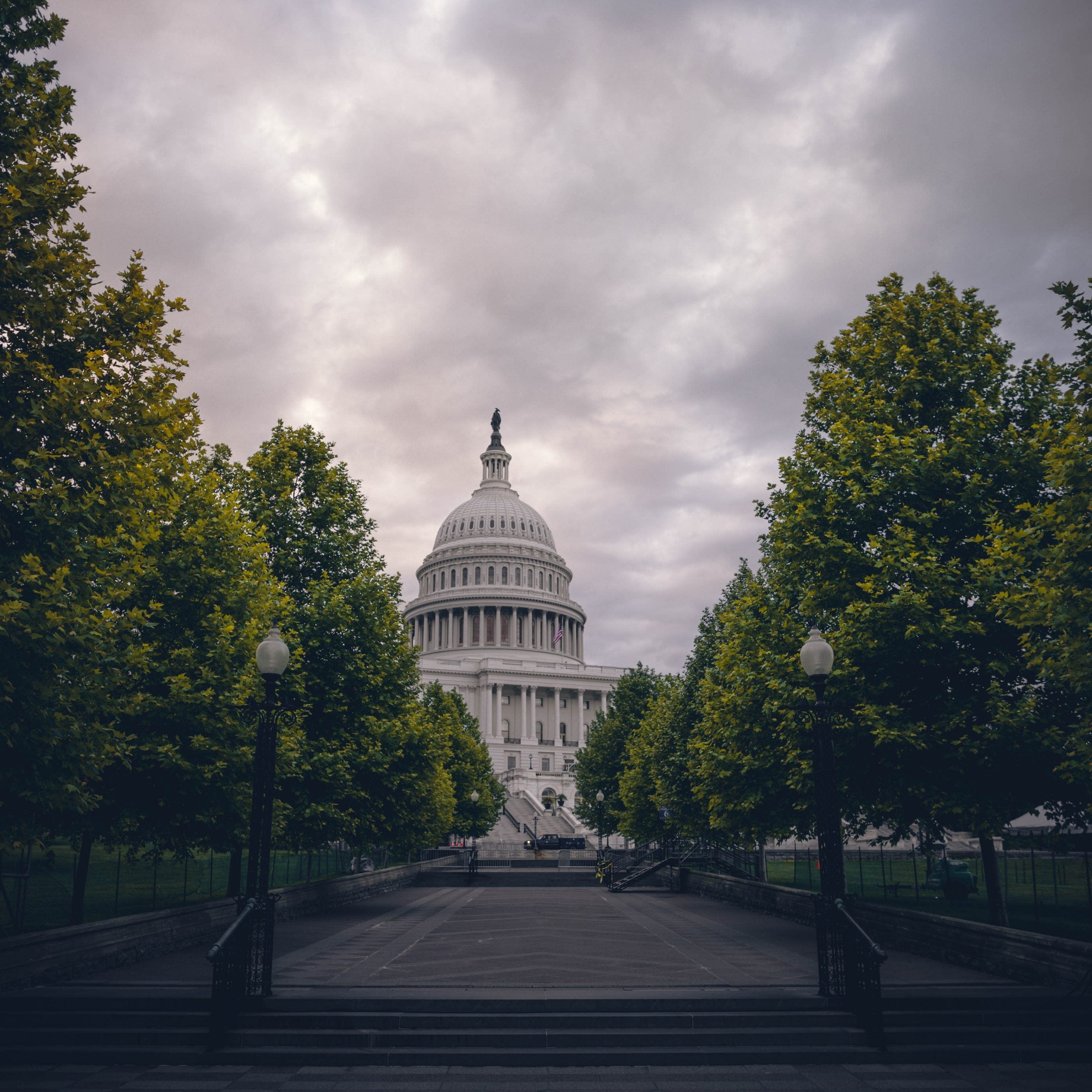
At some point, Donald Trump will no longer be president.
That is not a forecast or a hope. It is a constitutional certainty. Every presidency ends. What is not predetermined is what Americans will believe that ending means, or whether we will be prepared for what follows.
For many people, the dominant emotion on that day will be relief. Relief that the daily barrage of norm-breaking headlines slows. Relief that the tone of national leadership changes. Relief that the constant sense of emergency finally loosens its grip.
That relief will be human. It will also be dangerous.
History shows that the moment immediately following an authoritarian or authoritarian-adjacent presidency is often when societies make their most consequential mistake. Emotional release is mistaken for structural repair. Once the most visible source of harm is gone, reckoning feels less urgent. Accountability softens. Rebuilding is postponed in favor of moving on.
Part I of The Long After examined how democracies are hollowed out gradually, through norm erosion, institutional bending, and normalization. Part II confronts the implication of that history.
When democratic damage is structural, recovery is generational.
The realistic horizon for repairing the damage done to American democracy during the Trump presidency is twenty to thirty years. Not one election. Not two administrations. A generation.
Trump as accelerant, not anomaly
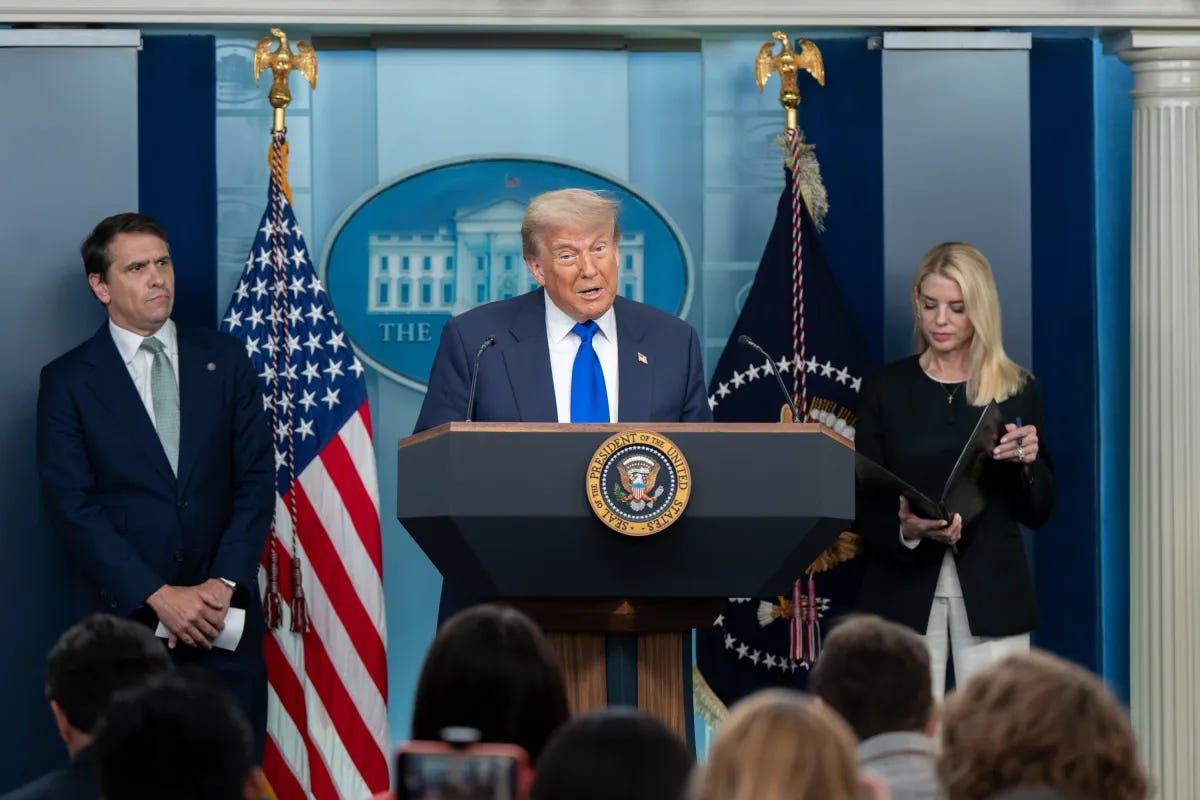
One of the most reassuring stories Americans tell themselves, even now, is that the Trump presidency represents a deviation rather than a revelation. In this framing, Trump is the problem. Once he is gone, the system can reset.
But history doesn’t support that belief.
Trump does not invent the fractures he exploits. He accelerates them.
Long before his election, American democratic norms were under strain. Partisan asymmetry had hardened. Media ecosystems had fractured into parallel realities. Trust in institutions had been eroding for decades. Trump enters a weakened system and applies pressure where it is already cracked.
This matters because acceleration leaves residue.
Trump’s ‘so-called judge’ attack after the 2017 travel-ban ruling and the ‘Obama judge’ episode in 2018 were met with brief, notable objections, including a rare public rebuke from Chief Justice Roberts, but the pattern persisted and the system’s most consistent responses became procedural guardrails like gag orders and fines rather than sustained norm enforcement.
When a president repeatedly attacks judges who rule against him, dismissing them as partisan or illegitimate, the damage is not limited to the moment of insult. It lies in what follows. When those attacks are absorbed without sustained institutional defense, judicial independence shifts from an enforced norm to a fragile expectation. Norms that survive only because individuals tolerate violations are no longer stable. Rebuilding them requires years of consistent reinforcement, not a change in tone.
This is why the damage outlasts the presidency itself.
Loyalty replacing institutional duty
Democracies depend on loyalty to institutions, not individuals. That principle weakens when personal allegiance becomes the primary measure of legitimacy.
Under the Trump presidency, loyalty tests are not an occasional aberration. They are a governing method.
The firings of multiple inspectors general in 2020, including the intelligence community watchdog who transmitted the Ukraine whistleblower complaint and the Pentagon official positioned to oversee pandemic spending, established a clear precedent: adverse findings could end careers. At the Justice Department, public pressure following the Roger Stone and Michael Flynn cases led to the reversal of prosecutorial decisions and the departure of career attorneys. Even where individual officials resisted, the institutional lesson was absorbed. Oversight carried risk; loyalty carried protection. Over time, professional judgment adjusted accordingly.
Cultures do not reset quickly. They change through generational turnover. That is why repairing this form of damage takes decades.
Truth fracture and narrative warfare

Democracy depends on shared reality. It does not require consensus, but it does require agreement on basic facts.
That foundation has been deliberately weakened.
From Trump’s refusal to commit to accepting the 2016 results, through years of evidence-free claims about mass illegal voting, to the sustained amplification of ‘stolen election’ narratives after the 2020 vote was certified and litigated, disbelief itself was normalized, not as an aberration but as a standing posture toward democratic outcomes.
Once factual rejection becomes a marker of identity, elections alone cannot repair the damage. Voting changes leadership. It does not rebuild epistemic trust. That trust is learned socially, reinforced culturally, and transmitted generationally.
This is why the recovery timeline stretches into decades rather than years.
Institutional bending and anticipatory obedience
Authoritarian damage is often imagined as something imposed through force. In reality, much of it occurs through adaptation.
Political scientists describe this process as anticipatory obedience. Institutions adjust their behavior in advance of explicit demands, redefining their own limits to avoid conflict with power.
During COVID-19, CDC guidance on masks, school reopenings, and public gatherings was delayed or rewritten after public backlash from the White House, and in some cases agency authority itself was reduced. Over time, health officials learned to anticipate political retaliation and adjusted recommendations before conflict arose, shifting public health from evidence-driven guidance to risk-managed messaging.
The institution continues to function. The expertise remains. But the internal culture shifts. Principle gives way to risk management.
That lesson does not disappear when leadership changes. It embeds itself in institutional behavior. Undoing it takes time, repetition, and new generations of leadership trained under different expectations.
Cultural normalization
Perhaps the most enduring damage is the hardest to measure.

From routine defiance of congressional subpoenas to the normalization of presidential conflicts of interest and repeated attacks on the press, violations that once triggered alarm have gradually lost their capacity to shock. The system did not collapse; it adapted. Expectations narrowed, enforcement lagged, and the abnormal settled into the background. This is not collapse. It is domestication.
When citizens stop expecting institutions to defend themselves, democracy continues to exist, but in diminished form. Reversing normalization requires more than accountability. It requires re-socialization. That is generational work.
History offers a warning here. After the fall of Benito Mussolini, Italy restored democratic institutions relatively quickly. Cultural reconciliation took far longer. The habits and narratives cultivated under authoritarian rule persisted within families and communities for decades.
And the United States is still inside this process.

The timeline we must face
This is the point where honesty matters more than comfort.
The recovery of American democracy from the damage accelerated during the Trump presidency will take twenty to thirty years.
Not because Americans are incapable of faster change, but because democracies heal at the pace of culture, not headlines.
Institutions can be stabilized in years. Trust takes decades. Norms are rebuilt through repetition. Shared reality is restored through generational replacement and education.
That timeline carries an uncomfortable implication.
Many of today’s seniors will not live to see full democratic recovery.
That does not diminish their importance. It clarifies their role.
Living in the long middle
When Trump eventually leaves office, the greatest danger will not be sudden authoritarian return.
It will be comfort.
Comfort with lowered expectations.
Comfort with damaged norms that now feel familiar.
Comfort with institutions that survived by bending rather than resisting.
This is the throughline of The Long After.
If recovery is generational, responsibility must be reframed. The task is not to deliver closure. It is to practice stewardship. To slow further erosion. To rebuild where possible. To protect the conditions under which deeper repair can occur.
Part I showed how democratic systems are hollowed out.
Part II explains why repairing that damage will take a generation.
Part III will turn to the question this reality raises, especially for older Americans:
If you know you may not live to see full recovery, what does meaningful democratic work look like now?
That question is not about despair.
It is about legacy.