
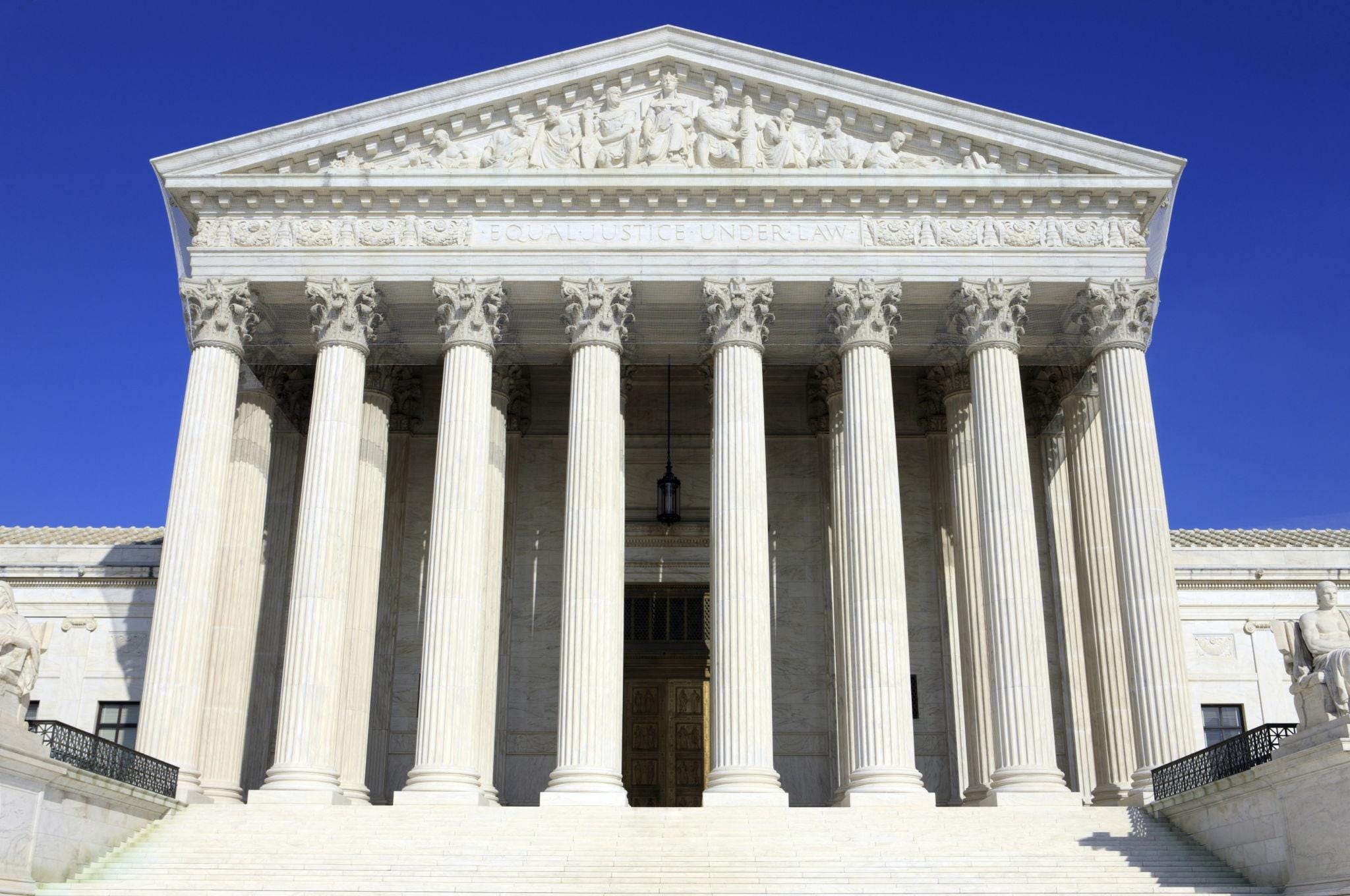
On March 11, 2026, the U.S. Department of Justice filed an emergency application at the Supreme Court of the United States asking the justices to allow the federal government to terminate Temporary Protected Status for Haitians while litigation continues in the lower courts. The request, submitted by the U.S. solicitor general, asks the Court to lift a judicial order that currently blocks the government from ending the program.
If the Court grants the request, the administration could begin terminating legal status for more than 350,000 Haitian nationals living in the United States before the underlying lawsuit is resolved.
Temporary Protected Status, commonly called TPS, is a humanitarian immigration designation created by Congress in 1990. It allows people from countries experiencing extraordinary conditions such as war, natural disaster, or government collapse to remain in the United States temporarily with protection from deportation and authorization to work.
The current legal dispute is not about whether TPS exists. The dispute concerns whether the federal government followed the legal procedures required to terminate the program for Haiti.
The Supreme Court filing marks the latest step in a legal conflict that has moved through multiple federal courts and now sits on the Court’s emergency docket.
The Department of Homeland Security decision to terminate Haiti’s TPS designation
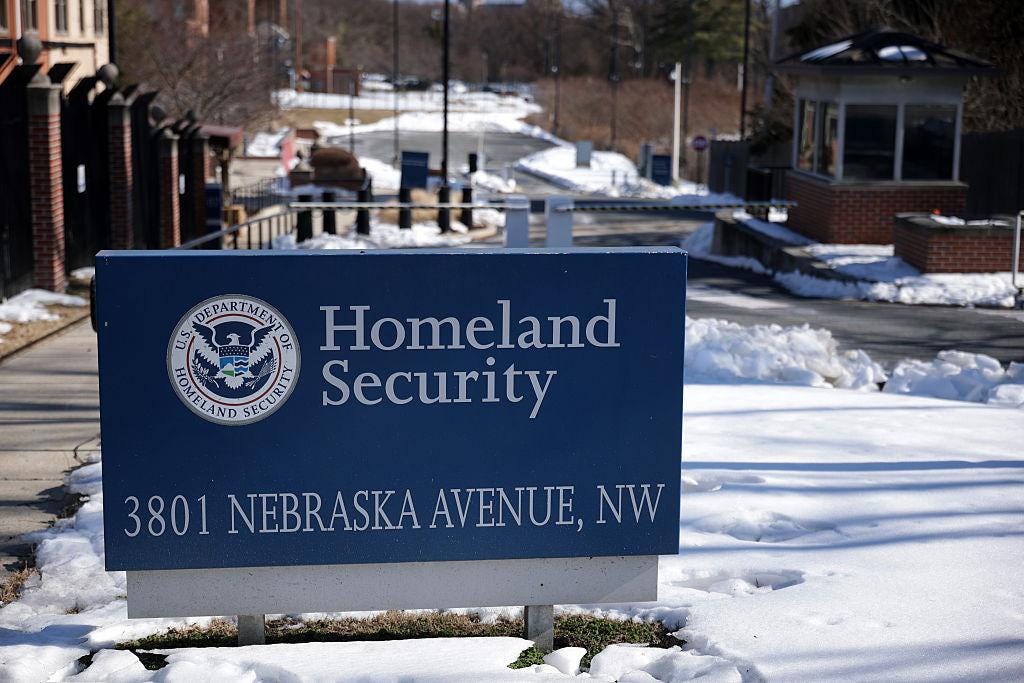
The current dispute began with a policy decision made inside the U.S. Department of Homeland Security.
In 2025, DHS announced that it would end Temporary Protected Status for Haiti, arguing that conditions in the country no longer justified continued protection. The decision was made by then-Secretary of Homeland Security Kristi Noem and was scheduled to take effect in early 2026.
Haiti originally received TPS after the catastrophic 2010 earthquake that devastated the country’s infrastructure and displaced millions of residents. The designation was renewed repeatedly by multiple administrations as political instability, gang violence, and natural disasters continued to disrupt basic governance.
When DHS terminated the designation, immigration advocates and TPS holders filed suit in federal court. The plaintiffs argued that the government had violated the Administrative Procedure Act, the federal law that requires agencies to follow a reasoned decision-making process when changing policy.
They also argued that the termination decision showed evidence of racial bias and failed to properly evaluate conditions in Haiti.
Those claims set the stage for a series of rulings that blocked the termination.
Federal courts block the termination while the lawsuit proceeds
The lawsuit first moved through the federal district court system.
A federal judge concluded that the plaintiffs were likely to succeed on their claims that the termination decision violated federal law and the Constitution. The court therefore issued an order preventing the government from ending TPS for Haitians while the case continues.
The administration appealed the decision to the U.S. Court of Appeals for the D.C. Circuit.
In a 2–1 ruling issued in early March, the appellate court upheld the lower court’s decision to keep TPS protections in place. The majority opinion found that the government had not shown sufficient harm to justify removing the protections before the lawsuit is resolved.
The appellate court’s decision left the administration with a limited set of options. It could wait for the case to proceed through the normal appellate process, or it could ask the Supreme Court to intervene immediately.
On March 11, the Justice Department chose the second path.
The Supreme Court emergency request and the “shadow docket”
The administration’s filing asks the Supreme Court to issue a stay. In legal terms, a stay temporarily suspends a lower court’s order.
If the Supreme Court grants the stay, the government would be allowed to terminate TPS for Haitians immediately, even though the underlying lawsuit has not yet been decided.
Emergency requests of this kind are often handled through what legal observers refer to as the Court’s emergency or interim docket. These requests are typically resolved without full briefing or oral argument.
In recent years, immigration cases have appeared frequently on that docket. Presidents from both parties have increasingly relied on executive authority to implement immigration policy, and those actions are frequently challenged in federal court.
The current filing argues that the lower court’s ruling interferes with executive authority over immigration and foreign policy. The administration also argues that TPS is intended to be temporary and that Haiti has held the designation for more than a decade.
Attorneys representing TPS holders are expected to respond to the Supreme Court’s request in the coming days.
A broader pattern of litigation around humanitarian immigration programs
The Haitian TPS case does not exist in isolation.
Over the past year, the federal government has taken steps to terminate several humanitarian immigration programs and temporary protections that had been extended during earlier administrations.
Federal courts have repeatedly intervened in those efforts.
For example, the administration has attempted to terminate TPS protections for Venezuelans, Syrians, and other nationalities, triggering lawsuits in multiple federal courts.
Separate litigation has also challenged attempts to revoke TPS protections for Somali nationals, with plaintiffs arguing that the decision was procedurally flawed and motivated by racial bias.
These cases share a similar legal structure.
First, an executive agency terminates or modifies a humanitarian protection program.
Second, affected individuals file suit under the Administrative Procedure Act.
Third, federal courts evaluate whether the agency followed proper procedures and provided a reasoned explanation for the change.
In many of these cases, courts have issued temporary injunctions preventing the policy from taking effect until the litigation is resolved.
The Supreme Court’s handling of emergency requests in these disputes has become a central point of legal and political debate.
How immigration status decisions reach Kentucky communities
Immigration policy often appears distant from daily life in Kentucky. In practice, the effects travel through multiple institutions that operate locally.
Temporary Protected Status holders receive federal work authorization documents issued by the U.S. Citizenship and Immigration Services. Those documents allow them to hold jobs, obtain driver’s licenses in many states, and participate in local economies.
When TPS is terminated, those work permits expire.
Employers must then verify immigration authorization through the federal employment verification system. Workers who lose valid documentation can no longer legally hold many jobs.
This change can ripple through industries that rely on immigrant labor.
Schools, hospitals, and churches also experience the effects.
Families whose members hold TPS often have children enrolled in local schools. If immigration status becomes uncertain, families may face decisions about relocation, employment changes, or legal proceedings.
Churches and community organizations frequently serve as support networks for immigrant communities. Immigration enforcement actions and legal uncertainty can shift the work those institutions perform.
These institutional effects occur even before deportation proceedings begin.
The procedural question now before the Supreme Court
The Supreme Court is not currently being asked to decide the full legality of the TPS termination.
Instead, the Court is being asked to decide whether the government may terminate the program while the lawsuit continues.
That procedural question carries significant practical consequences.
If the Court denies the administration’s request, TPS protections for Haitians will remain in place while the case proceeds through the normal appellate process.
If the Court grants the request, the Department of Homeland Security could begin implementing the termination immediately.
In that scenario, individuals who currently rely on TPS protections could begin losing work authorization and deportation protections before the courts reach a final ruling on the legality of the policy.
The difference between those outcomes turns on a procedural decision rather than a final legal judgment.
Suggested Actions for Readers
Readers who want to follow the development of this case can track several public sources.
Follow filings on the Supreme Court docket once the emergency application is formally listed. Court documents often include the full legal arguments from both sides.
Monitor reporting from legal outlets that track emergency docket decisions, including coverage from organizations that specialize in Supreme Court reporting.
Review updates from federal immigration agencies, including the Department of Homeland Security and U.S. Citizenship and Immigration Services, which publish official guidance on the status of immigration programs.
Pay attention to how local institutions respond. Employers, schools, and community organizations often provide early signals about how federal immigration policy changes affect local communities.
Finally, readers can contact members of Congress representing Kentucky to ask how federal immigration policy changes are being monitored and addressed.
Further Reading
Reuters report on the Supreme Court request to end Haitian TPS
News From The States report on the emergency Supreme Court filing
Reuters report on the D.C. Circuit ruling blocking the termination of Haitian TPS
Associated Press report on the appeals court decision preserving TPS protections
Associated Press report on broader Supreme Court litigation over TPS programs
Overview of Temporary Protected Status and its statutory framework
The next procedural step now lies with the Supreme Court. The justices have requested a response from attorneys representing TPS holders, after which the Court may decide whether to grant or deny the administration’s emergency request.
That decision will determine whether TPS protections remain in place while the lawsuit proceeds or whether the termination can begin while the courts continue to review the policy.