
On February 14, the lights stayed on at most Department of Homeland Security facilities. TSA agents reported to their checkpoints. FEMA staff answered phones. Immigration officers continued field operations.
But they were working without pay.
A partial shutdown of the U.S. Department of Homeland Security remains in place after Congress failed to pass a funding agreement. The dispute is tied directly to oversight of federal immigration enforcement. Lawmakers have clashed over proposals that would require clearer visible identification for officers, limit face coverings during enforcement actions, expand body-camera use, and tighten warrant standards.
Congress is now in recess until February 23. That reduces the chances of a short-term resolution.
For Kentucky, the effects are both immediate and structural.
What Happened
The funding lapse began when Congress did not reach agreement on a continuing resolution for DHS operations. While other federal departments remain funded, DHS entered a partial shutdown. Under federal law, many DHS employees are classified as “essential.” They must continue working even when appropriations lapse.
That includes:
TSA, which screens passengers at airports
FEMA, which coordinates disaster response and reimbursement
ICE and CBP, which conduct immigration enforcement
Coast Guard personnel, who also work without pay during shutdowns
The central dispute involves immigration enforcement accountability. Some members of Congress are pushing for:
Clear identification requirements during operations
Limits on officers wearing masks that obscure identity
Mandatory body cameras
Stricter standards for warrants and detainers
Opponents argue those measures would restrict enforcement operations. Supporters argue they are basic oversight mechanisms.
The funding bill stalled.
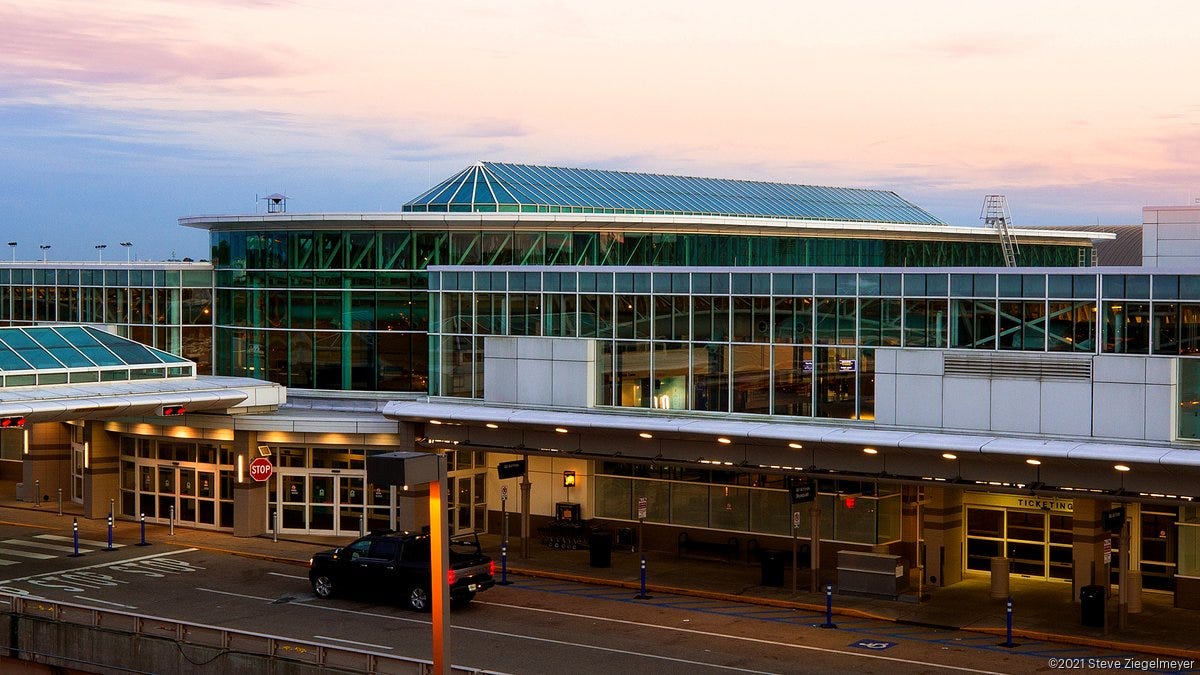
Kentucky’s Airports Are Watching Closely
The Transportation Security Administration operates under DHS. That includes screening operations at:
Louisville Muhammad Ali International Airport (SDF)
Cincinnati/Northern Kentucky International Airport (CVG)
Blue Grass Airport (LEX)
When TSA staff work without pay, absenteeism tends to rise over time. During previous shutdowns, sick call rates increased. Screening lines lengthened in major hubs.
Kentucky’s airports are not among the largest in the country, but they sit inside larger logistics networks. CVG in particular serves as a major cargo hub. Delays in staffing can ripple into freight timing and passenger travel across the region.
There is no immediate collapse in operations. Flights are taking off. Checkpoints are open. But instability increases strain. That risk grows the longer the shutdown continues.
FEMA’s Role in a Flood-Prone State
FEMA also falls under DHS authority. Kentucky has managed repeated flooding events in recent years. Eastern Kentucky communities are still navigating recovery from prior disasters.
When FEMA funding uncertainty persists:
Reimbursement timelines can slow
Staffing for field offices can thin
Planning cycles for future disasters may stall
The effect varies by timing. If no major weather event occurs during the shutdown, visible consequences may remain limited. But FEMA’s structure depends on predictable funding and staffing levels.
For counties that rely on federal reimbursement for debris removal, emergency housing, or infrastructure repair, even short delays can strain local budgets.
Immigration Enforcement at the Center of the Fight
The funding stalemate is tied directly to enforcement oversight.
Kentucky has active debate around immigration enforcement partnerships, including 287(g) agreements between local jailers and federal immigration authorities. Counties such as Oldham County have faced scrutiny over cooperation models.
The current dispute in Congress focuses on whether enforcement officers should be required to:
Display visible identification
Limit use of masks during public-facing operations
Use body cameras
Meet stricter warrant standards
These are procedural guardrails. They define how enforcement happens, not whether enforcement happens.
When oversight provisions become bargaining leverage in a funding dispute, the result is institutional instability. DHS agencies continue operating, but without stable appropriations.
Kentucky counties that operate detention facilities already manage scrutiny related to federal holds and release timelines. When federal enforcement policy becomes politically charged, local officials often feel that pressure.
That dynamic is visible in public statements from Kentucky state leaders in recent weeks, where immigration enforcement has moved from policy debate into public signaling.
Worker Pay Disruption Is Immediate
The lived impact begins with federal employees.
TSA officers at SDF and CVG are working without pay during the shutdown period. Coast Guard members stationed along Kentucky waterways are similarly affected.
In past shutdowns, Congress has eventually authorized back pay. That does not prevent short-term financial strain for workers who must cover mortgages, rent, childcare, and utilities while waiting for resolution.
For communities where federal employees live and spend locally, even temporary pay gaps can affect household stability.
Logistics and Supply Chains
CVG functions as a major air cargo hub. While cargo operations are private-sector driven, TSA security infrastructure remains federal.
Extended instability in screening operations can affect freight scheduling and staffing predictability. Kentucky’s economy depends on logistics corridors that connect Louisville, Northern Kentucky, and Lexington to national distribution systems.
The shutdown does not halt cargo flows. But prolonged staffing uncertainty adds friction.
The Pattern: Enforcement and Oversight Collide
This dispute is centered on enforcement oversight mechanisms.
In recent years, immigration enforcement debates have intensified nationwide. Kentucky has not been insulated from that tension. State officials have publicly positioned themselves in response to federal enforcement posture. Local fiscal courts and jailers have weighed cooperation agreements.
When oversight provisions become the sticking point in federal funding, enforcement posture becomes a structural bargaining tool.
That creates a feedback loop:
Enforcement powers expand or intensify.
Lawmakers seek accountability guardrails.
Funding disputes stall over those guardrails.
Agencies operate without stable appropriations.
The current shutdown reflects that cycle.
There has been no statutory repeal of oversight requirements. There has been no new enforcement mandate enacted during the shutdown itself. What has occurred is a funding freeze tied directly to how enforcement should be constrained.
For Kentucky officials navigating local cooperation agreements, the federal dispute sends a signal. Oversight standards remain politically contested at the highest level.
Congress in Recess
Congress remains in recess until February 23. That reduces immediate off-ramps.
Negotiations can continue behind closed doors. But votes cannot occur until lawmakers return.
The length of the shutdown will determine how much strain accumulates.
Short shutdowns create temporary stress. Extended shutdowns begin to shift operational norms.
Kentucky Institutions Monitoring the Impact
State-level agencies in Kentucky do not control DHS funding. But they must adapt to federal conditions.
Airport authorities coordinate with TSA.
County emergency management offices coordinate with FEMA.
Local detention facilities coordinate with ICE.
Each of those relationships depends on federal stability.
At present, those lines remain functional. There are no reported TSA checkpoint closures in Kentucky. There are no announced FEMA field office shutdowns in the state. There are no publicly reported operational suspensions tied to ICE presence in Kentucky counties.
But the institutional strain is measurable at the workforce level.
Actions You Can Take
If you are a Kentucky resident:
Monitor official updates from SDF, CVG, or LEX if you have upcoming travel.
Follow updates from Kentucky Emergency Management if severe weather arises during the shutdown.
Contact your members of Congress to express views on DHS funding and oversight provisions.
Review primary legislative text and proposals when available to understand what specific oversight measures are under debate.
Engagement does not require alignment with any specific policy position. It requires clarity about what is under discussion.
Further Reading
U.S. Department of Homeland Security official updates:
Transportation Security Administration operations:
Federal Emergency Management Agency:
Congressional appropriations tracking (Congress.gov):
Government Accountability Office overview of shutdown procedures: