
On June 26, The Guardian reported that the Centers for Disease Control and Prevention had informed federally funded state, territorial, tribal, and local health programs that they must agree to new CDC priorities within five business days, by July 1.
According to the report, the notice went to programs focused on immunizations, HIV, hepatitis, and tobacco. The memo also included priorities tied to “parental authority” and a shift away from harm reduction, housing-first, and safe-consumption approaches. HHS spokesperson Emily Hilliard told The Guardian that grantees were directed to review their work plans and ensure their activities align with the department’s priorities and produce meaningful public health outcomes.
The memo itself has not yet been posted publicly by CDC or HHS. But the official CDC priorities language is public, and it uses the same terms that appear in the reporting.
CDC’s official priorities page says CDC grants will “deprioritize” programs, including “so-called harm reduction” or “safe consumption” efforts, that CDC says facilitate illegal drug use. The same CDC page says the agency will deprioritize “housing first” policies and, where allowed by law, give priority to grantees in states and municipalities that enforce policies against open drug use, urban camping, loitering, squatting, and related public-order categories.
For Kentucky, that makes this a grant issue, a public health issue, and a local government issue. Kentucky has local health departments operating harm-reduction services under state law. Kentucky also relies on federal public health dollars to support overdose prevention, naloxone work, data collection, outreach, training, and local health department capacity.
The immediate change is a federal funding instruction that may prompt Kentucky agencies and local public health programs to review, rewrite, narrow, rename, or defend parts of their work.
What happened
The federal action came from the U.S. Department of Health and Human Services and the Centers for Disease Control and Prevention, according to the Guardian report. The notice reportedly required federally funded health programs to align with CDC priorities by July 1.
The reported memo did not appear in isolation. On July 24, 2025, President Donald Trump signed Executive Order 14321, “Ending Crime and Disorder on America’s Streets.” That order directed federal agencies to favor public-order enforcement and treatment-centered responses to homelessness, mental illness, and substance use. It also directed HHS to make sure SAMHSA discretionary grants do not fund “so-called harm reduction” or safe-consumption efforts.
Five days later, on July 29, 2025, SAMHSA sent a Dear Colleague letter to grantees. That letter said SAMHSA funds would no longer support poorly defined “harm reduction” activities and would instead list which supplies and services could or could not be paid for with SAMHSA money.
CDC then published official priorities saying CDC grants would prioritize programs aligned with HHS and presidential priorities. The CDC language is broader than that of a single overdose-prevention grant. It includes immigration, abortion, family policy, public order, gender, DEI, parental rights, vaccine research, and public-health data.
A 2026 CDC funding opportunity for Comprehensive Addiction and Recovery Act grants illustrates how the language can be operationalized. That funding document says CDC will not support housing-first strategies, harm-reduction or safe-consumption sites, or related activities. It also says CDC intends to give priority, where federal law allows, to grantees in states and municipalities with laws and policies that support and enforce CDC’s priorities.
The same funding opportunity lists harm-reduction services as unallowable costs, including syringe-service programs, drug-testing strips, drug-testing kits, and naloxone purchases for that grant. That does not mean every CDC or HHS grant has the same restrictions. It does show that the administration’s language has already entered federal grant documents.
The grant terms are where the policy becomes enforceable
Federal agencies do not need Congress to pass a new statute every time they change grant administration. When HHS, CDC, or SAMHSA writes priorities into grant notices, work-plan requirements, award terms, or budget conditions, grantees must decide whether their activities align with the new language.
A state health agency may receive federal money directly. A local health department may receive federal money through the state. A nonprofit coalition may receive a direct grant or work under a state-administered funding stream. Each recipient must document what the funds pay for, which activities are allowed, and whether they are complying with the federal award terms.
Federal grant rules give agencies enforcement tools. Under 2 CFR Part 200, a federal agency or pass-through entity may add conditions, withhold payments, disallow costs, suspend or terminate an award, withhold future funding, or pursue other remedies when a recipient fails to comply with award terms.
A sentence in a CDC priority statement can become a condition in a grant notice.
A condition in a grant notice can become a question in a work-plan review. A question in a work-plan review can become a budget revision, a paused purchase, a changed referral policy, or a local program choosing safer wording to avoid a federal objection.
Kentucky’s harm-reduction work depends on that kind of administrative detail. The Kentucky Department for Public Health says it provides funding each year to local health departments to expand harm reduction efforts, including extended service hours, peer support specialists, outreach events, media campaigns, and supplies.
Kentucky’s public-health page also says local harm-reduction services may include access to treatment, overdose-prevention education, drug-checking test strips, HIV and hepatitis testing and linkage to care, hepatitis vaccination, STI and tuberculosis screening, medical and mental-health referrals, and syringe-service programs.
Those services do not all have the same legal status under every grant. Naloxone may be allowed under one funding source and barred under another. Drug-checking strips may be treated differently from HIV testing. Syringe-service supplies may be state-authorized but federally restricted under a particular grant. The question for Kentucky is which funding streams are affected, which services are named, and how CHFS and local health departments are being instructed to respond.
Why Kentucky is implicated
Kentucky is not starting from a blank page. The General Assembly changed state law in 2015 through Senate Bill 192, allowing local health departments to operate syringe-service programs as substance-abuse treatment outreach programs. Kentucky CHFS says that before 2015, certain harm-reduction services, including syringe-service programs, were prohibited by law.
Kentucky CHFS currently reports that more than 81 syringe service program sites operate across 67 counties. Kentucky’s 2025 overdose fatality report says 82 syringe-exchange program sites served 25,543 unique participants in 2025.
Those programs are local by design. A local health department cannot simply open a syringe-service program on its own. Kentucky’s local approval model involves the local board of health and the relevant city or county government. That means county fiscal courts, city councils, local boards of health, and public health directors already have authority over whether these services exist in a county.
The federal directive adds a different layer.
Local approval may still exist under Kentucky law, but federal funding language may affect which services can be paid for, how local health departments describe their work, and whether programs avoid certain supplies or outreach strategies.
The numbers make this more than an internal grant-management issue. Kentucky’s 2025 Drug Overdose Fatality Report says 1,110 Kentuckians died of drug overdoses in 2025. That was a 22.9 percent decrease from 2024, but it remains more than one thousand deaths in one year. The report says methamphetamine was found in 49.5 percent of overdose deaths, while fentanyl was present in 45.4 percent.
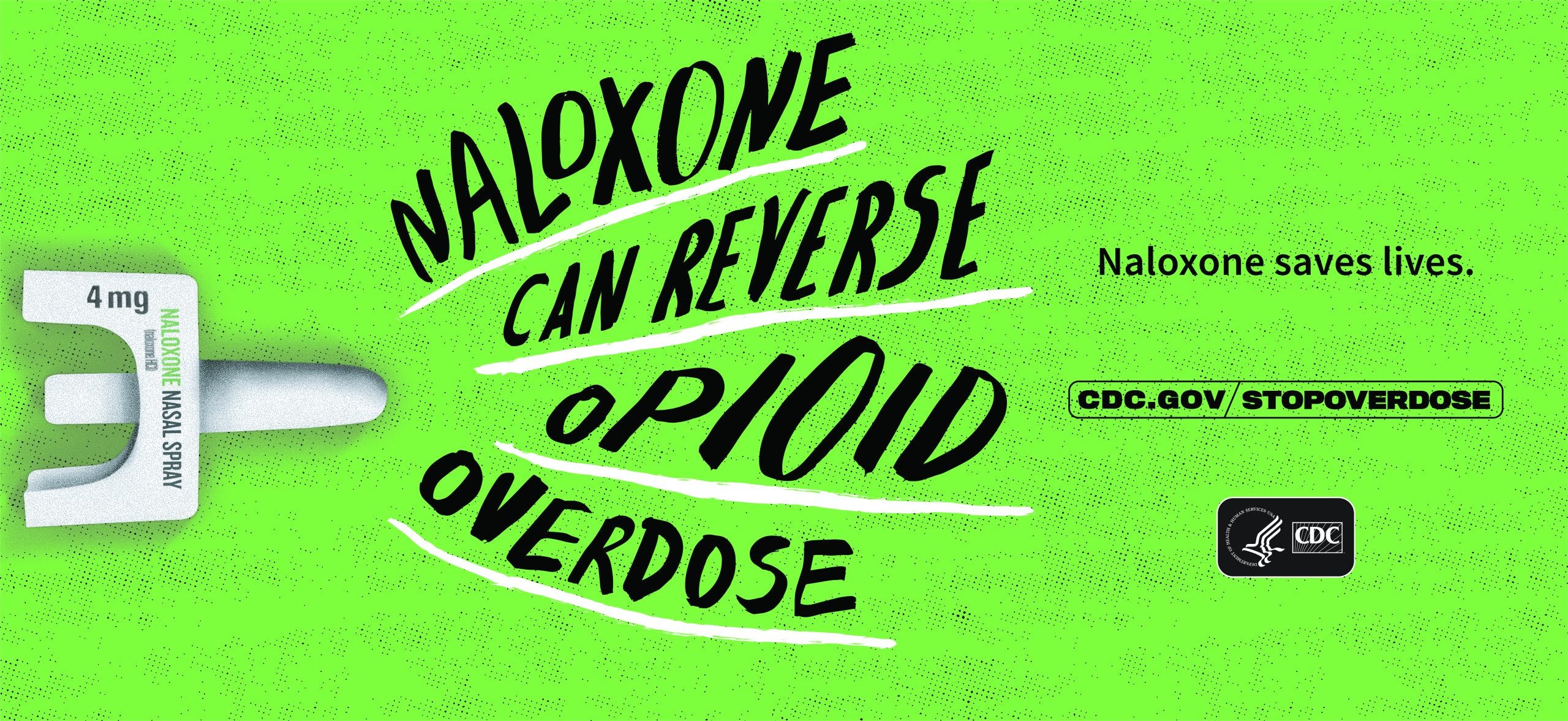
The same state report says Kentucky distributed 182,810 doses of Narcan in 2025. It says more than 137,000 Kentuckians received addiction services through Medicaid, more than 19,100 received addiction treatment paid for by the Kentucky Opioid Response Effort, and more than 29,900 received community recovery services paid for by KORE.
Those numbers show the operational reach. A federal instruction to review grant work plans can affect staff time, supplies, training, referrals, data reporting, and public materials in programs serving people who are at risk of overdose, hepatitis, HIV, homelessness, untreated mental illness, or relapse after treatment.
Louisville and Lexington provide clear local examples. Louisville Metro’s harm-reduction outreach services provide linkage to substance-use treatment, HIV and viral hepatitis screening and care, overdose prevention, and referrals to social, mental-health, and medical resources. The Lexington-Fayette County Health Department offers harm-reduction services and naloxone training from its Newtown Pike location.
A change in federal grant conditions does not automatically result in the closure of services.
But it can make local health departments spend time proving compliance, sorting allowable costs, changing work plans, or deciding whether to move certain expenses to another funding source.
The paperwork forces a choice about frontline care
The administration frames the change as a move toward recovery, treatment, public safety, and stronger outcomes. HHS announced a $100 million Great American Recovery plan in February 2026 and described it as a departure from Biden-era policies that supported harm reduction, housing first, and related strategies.
That is the official federal narrative. The documented reality is more specific. Federal agencies are not only praising recovery and treatment. They are tying grant priorities to disfavored public-health activities and favored public-order policies.
You do not have to settle the entire national debate over addiction policy to understand the local stakes. The question for Kentucky is whether local public health programs can continue to use the tools they have been authorized to use under state law and with local approval.
A county health department may support recovery and still use naloxone. A local program may refer people to treatment and still distribute test strips. A peer-support worker may help someone enter recovery after first building enough trust to keep that person alive. Those are not abstractions in a state that lost 1,110 people to overdose in 2025.
The federal directive also reaches beyond overdose prevention if the reported memo applies to immunization, HIV, hepatitis, and tobacco programs. In Kentucky, those programs are not separate from local public health. They share staff, buildings, reporting obligations, and community relationships. When a federal agency sets a tight deadline for reviewing work plans, local public health offices must respond with the staff and budgets they already have.
What to watch and what you can do
Ask CHFS and KDPH whether Kentucky received the June CDC notice. Ask for the date received, the programs covered, and any instructions sent to local health departments.
Request the actual memo. A focused open records request to CHFS could seek all CDC, HHS, and SAMHSA communications received in June 2026 concerning CDC priorities, grant alignment, work plan revisions, harm reduction, parental rights, immunization, HIV, hepatitis, tobacco, or overdose-prevention funding.
Track local board of health meetings. If a local health department changes harm-reduction hours, pauses supplies, narrows referrals, changes language on public materials, or moves expenses to a different funding source, those decisions may appear in board packets, director reports, or budget discussions.
Call or email county fiscal court members and city council members in counties with syringe-service programs. Ask whether local officials have been briefed on possible federal funding changes and whether they intend to protect locally approved services.
Ask Kentucky’s congressional delegation to request the CDC memo and any legal analysis behind it. The question is not whether a member of Congress supports or opposes harm reduction. The immediate accountability question is whether HHS and CDC are changing grant expectations without publishing the directive.
Compare the federal language with Kentucky’s overdose data. Kentucky’s overdose deaths declined in 2025, but more than 25,000 people used syringe-exchange sites, and more than 182,000 Narcan doses were distributed. Those are measurable services, not slogans.
Document any service changes. If a local program changes hours, stops offering test strips, changes naloxone access, removes language from a website, or alters referrals because of federal funding concerns, you should save screenshots, meeting agendas, and public notices.
Further reading and sources
Primary sources:
CDC, “CDC Priorities”
https://www.cdc.gov/about/cdc/index.html
CDC, Comprehensive Addiction and Recovery Act funding opportunity, CDC-RFA-CE-26-0110
https://files.simpler.grants.gov/opportunities/7859e970-00ec-4f1c-987c-d2d7c0e66415/attachments/564dba9d-f1a3-4da4-8427-4d876800b127/Foa_Content_of_cdc-rfa-ce-26-0110.pdf
White House, Executive Order 14321, “Ending Crime and Disorder on America’s Streets”
https://www.whitehouse.gov/presidential-actions/2025/07/ending-crime-and-disorder-on-americas-streets/
White House, Executive Order 14379, “Addressing Addiction Through the Great American Recovery Initiative”
https://www.whitehouse.gov/presidential-actions/2026/01/addressing-addiction-through-the-great-american-recovery-initiative/
HHS, “Secretary Kennedy Announces $100 Million Investment in Great American Recovery”
https://www.hhs.gov/press-room/secretary-kennedy-announces-100-million-investment-great-american-recovery.html
SAMHSA, Dear Colleague Letter on Executive Order 14321
https://www.samhsa.gov/sites/default/files/dear-colleague-letter-executive-order-ending-crime-disorder-americas-streets-07302025.pdf
eCFR, 2 CFR 200.339, Remedies for noncompliance
https://www.ecfr.gov/current/title-2/subtitle-A/chapter-II/part-200/subpart-D/subject-group-ECFR86b76dde0e1e9dc/section-200.339
Kentucky sources:
Kentucky CHFS, Harm Reduction Services Programs
https://www.chfs.ky.gov/agencies/dph/Pages/hrsp.aspx
Kentucky CHFS, Harm Reduction Branch
https://www.chfs.ky.gov/agencies/dph/Pages/harmreduction.aspx
Kentucky Office of Drug Control Policy, 2025 Drug Overdose Fatality Report
https://odcp.ky.gov/Documents/2025%20Overdose%20Fatality%20Report.pdf
Kentucky Department for Public Health, Office of the Commissioner
https://chfs.ky.gov/agencies/dph/oc/Pages/default.aspx
Kentucky CHFS, Meet the Secretary
https://chfs.ky.gov/agencies/os/Pages/biographies.aspx
Reporting:
The Guardian, “Trump administration orders US health programs to move away from overdose prevention”
https://www.theguardian.com/us-news/2026/jun/26/trump-administration-overdose-prevention-health-program